

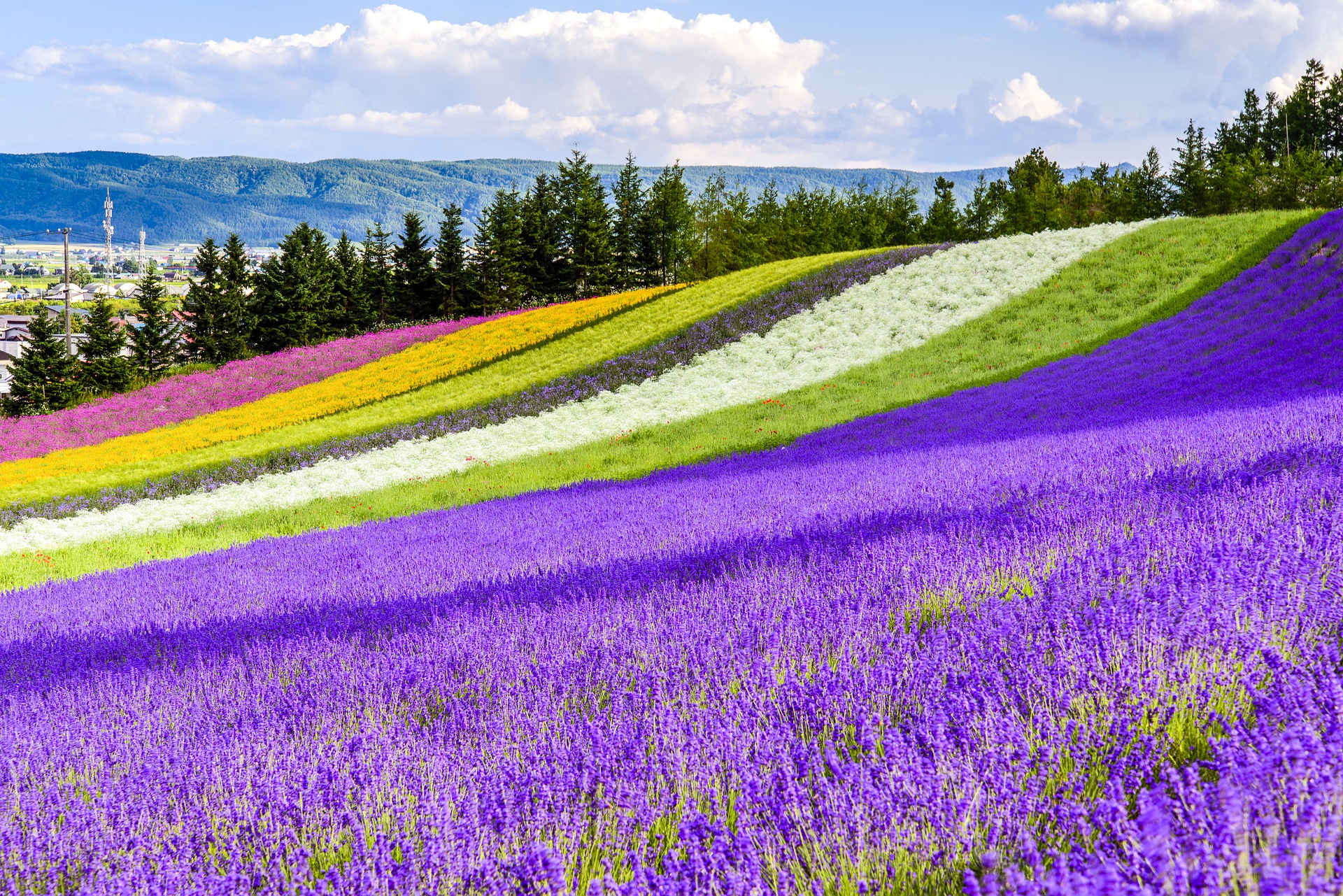
Most people picture Niseko under snow. Come July, the ski runs turn into mountain bike trails, the backroads run green instead of white, and Furano's fields fill with lavender through mid-August. Locals will tell you it's the better season. It just packs a little differently. Expect a crisp 20°C (68°F) by day, dropping to 12°C (53°F) once the sun's down. The kind of weather where you'll want a coffee on the terrace in short sleeves at 9am and a jumper by 8pm. Here's what we tend to point guests toward before they land.
What to Pack
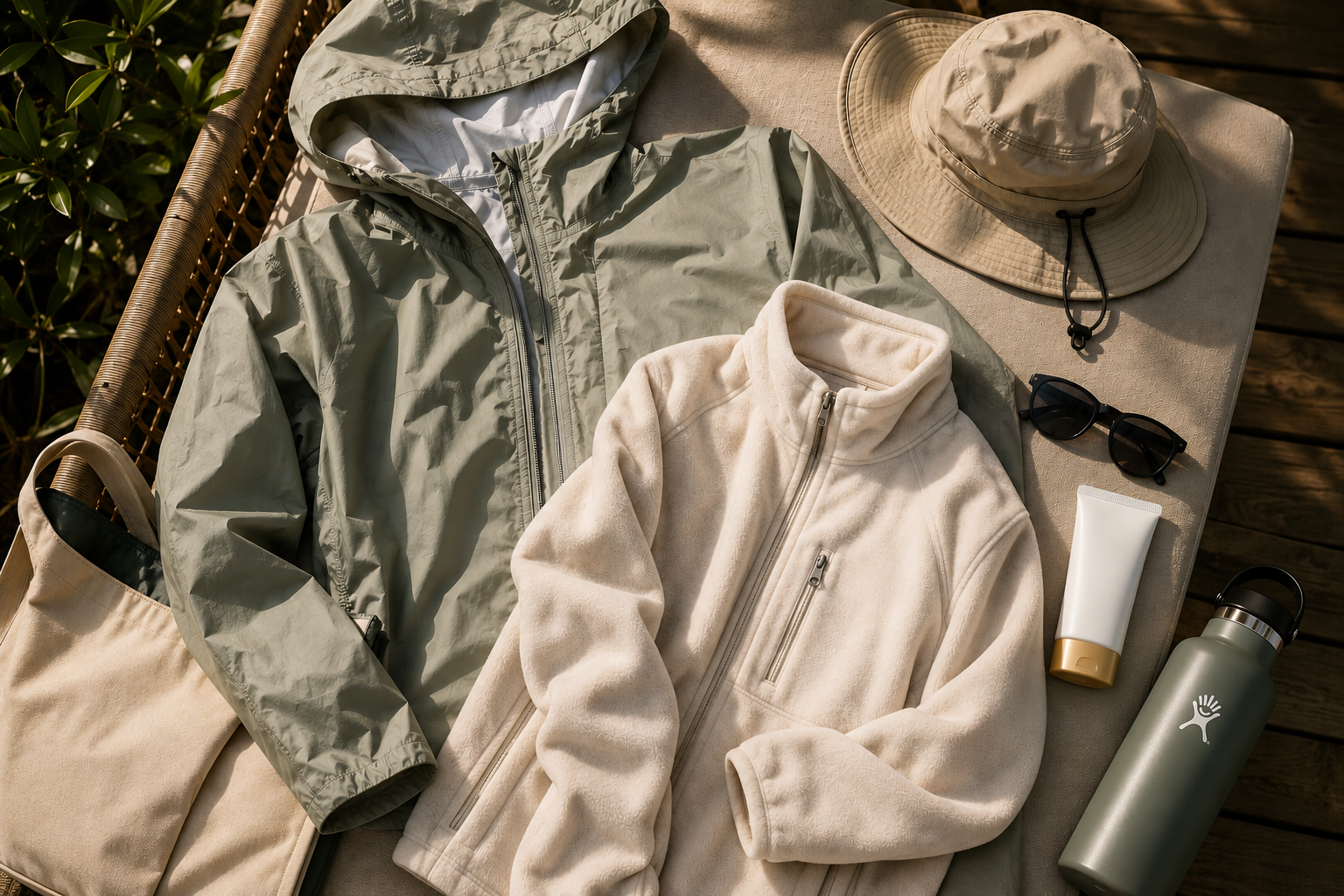
A lightweight waterproof windbreaker earns its space in the suitcase more than anything else. The wind off the mountain at Niseko still has bite in August, even on a warm day. Pair it with a fleece or light jumper for evenings, and something breathable underneath for the middle of the day.
Skip cotton if there's cycling, rafting, or a river involved. It holds onto water and stays cold once it's wet, where a synthetic quick-dry layer is usually dry again by the time you're back at the village for soft-serve.
Sun is the one thing most first-time summer guests underestimate. Between the altitude and the open sky, UV builds faster here than the mild temperature suggests, and it tends to catch people off guard walking the open fields at Farm Tomita. A sweat-resistant SPF 50+ covers most adults well; for children, a zinc-based mineral stick tends to hold up better through a full day outdoors, and we can point you toward where to find one locally if you land without.
Small Things That Catch People Out
Mosquitoes and biting flies show up most evenings near rivers and open fields, and they're easy to forget about when the sun's still out at 7pm. A repellent packed alongside the sunscreen saves an evening on the terrace from turning itchy.
Rubbish sorting in Japan is famously strict, usually split six or seven ways with specific collection days for each. It's the kind of thing that trips up almost every first-time visitor renting a property here. H2 Life properties simplify this down to four bins: food waste, burnable, plastic, and one combined bin for cans, glass, and PET bottles. One less thing to think about on holiday.
Connectivity outside the main towns can be patchy. A pocket WiFi device or a local SIM, arranged before landing, is worth it if you're relying on maps or translation apps through the more rural stretches near Furano. H2 Life villas come with WiFi set up and ready before arrival, so this mostly matters for the road between destinations.
Habits Worth Knowing Before You Land
Google Maps is genuinely the better tool here. It handles Japanese train times, walking routes, and even small-town addresses far more reliably than other map apps, which tend to lose the plot outside major cities.
Cash still runs a surprising amount of rural Japan. Farm stalls selling fresh melon, and most of the smaller soba shops in Furano, simply don't take cards. Between that and the coin change from vending machines, a small coin purse solves a problem you won't see coming until day two.
Hokkaido has brown bears, and hiking trails around Niseko post warnings for a reason. A bear bell, sold cheaply at most outdoor shops in the village, is standard practice for anyone heading onto quieter trails in summer, not a tourist gimmick.
Convenience stores (konbini) are worth using properly rather than just for snacks. Most have reliable ATMs that accept foreign cards, which is often more dependable than the machine at your accommodation, and the onigiri and bento selection is better than its reputation suggests.
Tipping isn't part of the culture here, at restaurants or with drivers, and leaving money on a table is more likely to cause confusion than gratitude. Good service is simply the standard, not something added on top.

Layers for the weather swings, sun protection that actually holds up, and a little extra room in the suitcase. Lavender soap and Hokkaido chocolate have a way of finding their way home with most guests.
From the H2 Life team